


Brazil’s groundbreaking SIGAP betting license system is reshaping global gaming regulations, and Nova Scotia residents should pay attention. While misterjack bet apostas and other Brazilian platforms operate under this new framework thousands of miles away, the licensing structure’s ripple effects reach Atlantic Canada’s shores through economic partnerships, regulatory precedent, and evolving digital gaming markets.
Understanding SIGAP’s impact matters locally because Nova Scotia’s gaming industry increasingly interacts with international operators exploring Canadian market entry. Brazilian companies securing SIGAP licenses now view provinces like Nova Scotia as potential expansion territories, bringing investment opportunities and regulatory considerations that could influence local gambling policies. The licensing system’s emphasis on consumer protection and tax compliance sets standards that may inform Atlantic Gaming Corporation’s future decisions and provincial regulatory updates.
This connection between Brazilian betting regulation and Nova Scotia’s gaming landscape isn’t theoretical. As international operators seek diversification beyond their home markets, regions with established gaming infrastructure and regulatory openness become strategic targets. Nova Scotia’s position as an early adopter of online gaming regulation makes it particularly relevant to this evolving international dynamic, affecting local business opportunities and community interests.
What is Brazil’s SIGAP Betting License?
Brazil’s Sistema de Gestão de Apostas, commonly known as SIGAP, represents a landmark shift in how South America’s largest country regulates its betting industry. Launched in January 2024, this comprehensive licensing framework was created to bring structure and oversight to what had been a largely unregulated market.
SIGAP operates as Brazil’s official system for managing and monitoring sports betting and gaming operations. The framework requires all companies offering betting services to Brazilian residents to obtain proper licensing through government channels. This includes both online platforms and physical betting locations throughout Brazil.
The Brazilian government implemented SIGAP to address several key concerns. First, it aims to protect consumers from fraudulent operators and ensure fair gaming practices. Second, the system creates a legal pathway for tax collection, channeling revenue into public services. Third, it establishes clear rules that legitimate businesses must follow, creating a more stable marketplace.
Under SIGAP regulations, betting operators must meet strict requirements covering financial stability, technical capabilities, and responsible gambling measures. Companies pay substantial licensing fees and submit to ongoing monitoring by Brazilian authorities.
For Nova Scotia residents, understanding SIGAP matters because global betting regulations increasingly influence local markets. As international betting companies seek licenses in multiple jurisdictions, including Brazil’s massive market of over 200 million people, these regulatory developments can shape which operators remain viable and what standards they maintain worldwide.

The Nova Scotia Connection: Why Brazil’s Rules Matter Here
International Operators Operating in Both Markets
Several international betting operators maintain presence in both Brazil and Nova Scotia, though direct overlap remains limited. Major online gaming platforms that previously served Brazilian customers are now adjusting their business models to meet SIGAP compliance requirements, which include strict licensing standards, technical system integration, and substantial regulatory fees.
For operators serving Nova Scotia residents through offshore platforms, Brazil’s SIGAP system presents both challenges and opportunities. Companies that successfully obtain Brazilian licenses demonstrate regulatory credibility, potentially influencing how Canadian authorities view their operations. However, the cost of SIGAP compliance—estimated at millions of dollars per operator—may force smaller companies to exit certain markets or consolidate operations.
Nova Scotia business owners monitoring international betting trends should note that SIGAP-compliant operators often implement enhanced responsible gaming measures and financial transparency protocols. These practices could become industry standards that eventually influence Canadian provincial regulations. While no Nova Scotia-based companies currently hold Brazilian licenses, the increased professionalization of international betting markets may affect local attitudes toward gaming regulation and economic opportunities in the digital entertainment sector.
Regulatory Ripple Effects
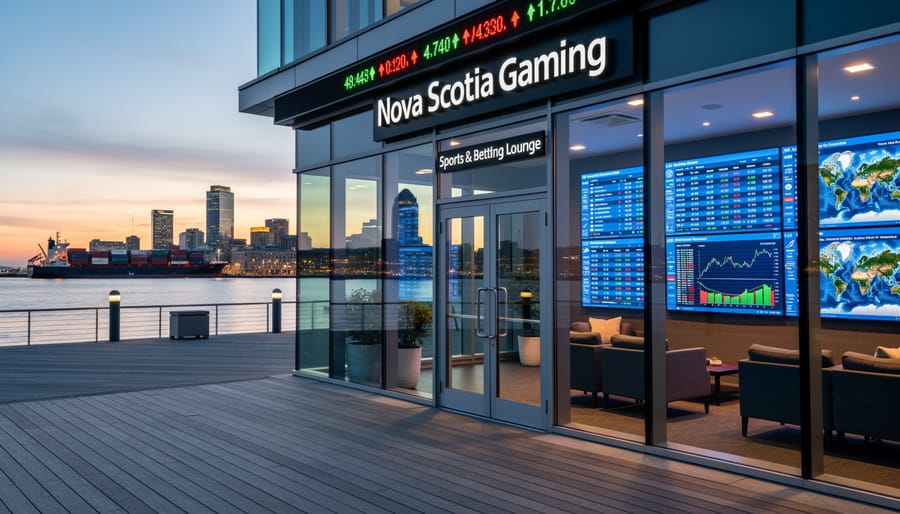
International betting regulations like Brazil’s SIGAP system are prompting gaming authorities worldwide to reassess their approaches. Nova Scotia Gaming Corporation monitors these developments closely, as new regulations in major markets often influence provincial policy decisions. Brazil’s emphasis on operator transparency and consumer protection aligns with trends Nova Scotia has already adopted through Atlantic Lottery Corporation’s digital platforms. Provincial officials regularly review international regulatory frameworks to ensure competitive licensing standards while protecting residents. As Brazil’s licensing process matures, Nova Scotia may adapt elements that strengthen local gaming oversight, particularly regarding online betting platforms increasingly popular among residents. These cross-border regulatory conversations help shape balanced approaches that serve community interests while maintaining responsible gaming standards.
Potential Economic Impacts on Nova Scotia
Effects on Local Gaming Revenue
The Atlantic Lottery Corporation, which manages gaming revenue for Nova Scotia and three other Atlantic provinces, faces evolving challenges as international betting markets expand. Brazil’s SIGAP licensing system may indirectly affect provincial gaming income by setting precedents for regulated online gaming that could influence Canadian bettors’ expectations and options.
As more global operators obtain legitimate licensing in markets like Brazil, Nova Scotians may encounter increased international betting platforms, potentially diverting funds from local gaming options. However, experts suggest the impact remains limited due to existing Canadian regulations that restrict offshore operators. The Atlantic Lottery Corporation continues monitoring international developments to adapt its digital offerings and maintain competitive appeal for local players. Provincial officials emphasize that responsible gaming oversight and keeping revenue within Atlantic Canada remain priorities as the global betting landscape shifts. Understanding these international trends helps Nova Scotians recognize how worldwide regulatory changes could gradually shape local gaming opportunities and community funding.
Business Opportunities for Nova Scotia Companies
Brazil’s regulatory changes in online betting present emerging opportunities for Nova Scotia’s technology and consulting sectors. As Brazilian operators seek compliance with SIGAP requirements, they may turn to international partners with expertise in regulatory technology, payment processing, and responsible gaming solutions.
Local software developers specializing in geolocation verification, age verification systems, and data security could find new markets as Brazilian companies upgrade their platforms. Nova Scotia’s growing fintech sector, particularly companies experienced in cross-border payment solutions, may discover opportunities supporting transactions between international players and Brazilian platforms.
Additionally, consulting firms with knowledge of gaming regulations could assist Brazilian operators navigating complex compliance requirements. While these opportunities remain speculative, they reflect broader trends in the global betting industry. Nova Scotia businesses interested in this sector should carefully research market conditions, consider language and cultural factors, and ensure they understand both Brazilian and Canadian regulatory requirements before pursuing international partnerships in this evolving marketplace.
What Local Experts Are Saying
Local gaming industry professionals in Nova Scotia are closely monitoring Brazil’s SIGAP licensing system as it represents a significant shift in how governments regulate online betting. According to Halifax-based gaming consultant Jennifer MacLeod, the Brazilian model offers valuable lessons for Canadian provinces considering modernization of their own gaming frameworks.
“What makes SIGAP noteworthy is its comprehensive approach to operator accountability and consumer protection,” MacLeod explains. “While Nova Scotia has its own regulatory structure through the Atlantic Lottery Corporation, understanding international best practices helps us evaluate whether our systems remain competitive and effective.”
Economic analyst David Chen from the South Shore Chamber of Commerce notes that Brazil’s formalization of online betting could indirectly affect Nova Scotia through investment patterns. “When major international gaming companies secure licenses in large markets like Brazil, it influences where they allocate resources globally. This could impact tech sector opportunities here if companies seek Canadian partnerships for expertise in responsible gaming technologies.”
Community leader Sarah Thompson from Lunenburg emphasizes the importance of learning from Brazil’s regulatory transparency. “Our communities deserve clear information about how gaming revenues support local programs. Brazil’s public licensing system demonstrates accountability that resonates with Nova Scotia values.”
Local economist Dr. Robert Fraser suggests that while direct impacts remain limited, monitoring international regulatory developments helps Nova Scotia anticipate industry trends. “Understanding how other jurisdictions balance economic opportunity with consumer protection informs our own policy discussions as the gaming landscape continues evolving.”
What This Means for Nova Scotia Residents
For Nova Scotia residents, Brazil’s SIGAP licensing system may initially seem distant, but it carries practical implications worth understanding. As international betting operators seek SIGAP licenses to operate legally in Brazil’s massive market, some platforms currently accessible to Nova Scotians may adjust their offerings or availability.
The most immediate consideration involves which online betting sites remain accessible. Operators focusing resources on SIGAP compliance might reduce services in smaller markets like Nova Scotia, potentially limiting your current betting options. Conversely, SIGAP-licensed operators entering the Canadian market could bring enhanced consumer protections and more transparent operations, as these companies will have demonstrated regulatory compliance in Brazil’s stringent framework.
Consumer protection remains paramount. If you currently use international betting platforms, verify they maintain proper licensing in jurisdictions serving Canadian customers. The Brazilian model emphasizes responsible gambling measures, player verification, and financial transparency—standards that benefit bettors everywhere when operators adopt them globally.
Watch for these developments in coming months: announcements from betting platforms about licensing changes, potential new operators entering the Atlantic Canadian market, and any updates from provincial regulators regarding online gambling oversight. Nova Scotia’s regulatory environment continues evolving, and international developments like SIGAP influence how betting companies approach smaller markets.
Stay informed through trusted local news sources providing regular updates on gambling industry changes. Understanding these shifts helps you make informed decisions about which platforms offer the safest, most reliable betting experiences while supporting properly regulated operations.
Brazil’s SIGAP betting license system may seem distant, but global gaming trends increasingly influence local communities like Nova Scotia. As online betting platforms expand internationally, understanding how foreign regulatory frameworks operate helps our community stay informed about potential economic opportunities and challenges. Whether through tourism connections, technology sector growth, or regulatory knowledge-sharing, developments in Brazil’s gaming industry could eventually touch our shores. Local business owners and community leaders benefit from monitoring these international trends, as they may signal future changes in how gaming and entertainment industries evolve here at home. Staying aware of SIGAP’s implementation provides valuable context for ongoing conversations about responsible gaming, economic development, and regional competitiveness. As Nova Scotia continues adapting to the digital economy, keeping a pulse on worldwide regulatory innovations ensures our community remains prepared and informed about emerging opportunities that align with our values and economic goals.