


Online gambling in Nova Scotia operates under specific provincial regulations that every resident should understand before placing bets. The Nova Scotia Gaming Corporation oversees legal gambling activities, including Atlantic Lottery’s digital platform, while offshore casino sites exist in a regulatory gray area that carries financial and legal risks. Accessing solana casino games at moonbet and similar platforms without clear provincial licensing may result in complications with payment processing, dispute resolution, and consumer protections that provincial operators must provide.
Nova Scotians need accurate information about which gambling activities are permitted, how provincial regulations protect consumers, and what consequences stem from using unlicensed platforms. Recent regulatory discussions and enforcement actions have created confusion about online betting legality, making it essential to distinguish between provincially sanctioned options and unregulated offshore operations. This guide clarifies the current legal landscape, explains enforcement realities, and outlines practical considerations for residents who gamble online, ensuring you make informed decisions while understanding both your rights and the limitations of consumer protections across different platforms.

The Current State of Online Gambling in Nova Scotia
Legal vs. Grey Market Options
Nova Scotia residents have two distinct paths when accessing online gambling: provincially-regulated options operated by Atlantic Lottery Corporation (ALC) and offshore platforms that exist in a legal grey area.
The legal choice is straightforward. ALC’s online casino operates under provincial authority, meaning your activity is fully regulated, winnings are guaranteed, and you have recourse if problems arise. The province licenses and oversees these operations, ensuring fair play and responsible gambling measures. Any disputes can be resolved through established provincial channels, and your personal information receives protection under Canadian privacy laws.
Offshore platforms represent a different reality. While Nova Scotia law doesn’t explicitly criminalize residents for using these sites, they operate outside provincial regulation. These international companies aren’t licensed by Nova Scotia or Canada, meaning you’re gambling without local legal protections. If a dispute arises over winnings or your account gets frozen, you have limited recourse. These platforms also fall outside provincial support systems for problem gambling.
The practical difference matters most when things go wrong. Regulated options provide transparent odds, verified payouts, and access to GameSense Nova Scotia resources. Offshore sites may offer attractive bonuses, but they carry risks: unclear ownership structures, potential payment processing issues, and no guarantee you’ll receive winnings.
For Nova Scotia residents, understanding this distinction helps make informed choices. The provincially-regulated option may seem limited, but it provides legal clarity and consumer protection that grey market alternatives simply cannot guarantee.
How Many Nova Scotians Are Gambling Online
Current data from the Nova Scotia Gaming Corporation reveals that 71% of adults in Nova Scotia reported gambling at least once over the last year. Provincial research indicates that younger residents, particularly those aged 19 to 34, are more likely to engage with online platforms compared to traditional land-based venues.
The gambling statistics Nova Scotia tracks show important distinctions in participation rates by risk category. Most gamblers in the province engage safely, but a small percentage experience negative effects:
| Risk Category | Percentage of Population |
|---|---|
| No-risk gamblers | 62.4% |
| Low-risk gamblers | 4.9% |
| Moderate-risk gamblers | 2.7% |
| Experiencing harm from gambling | 1% |
Among online gamblers in the province, sports betting has emerged as the most popular activity, followed by online casino games and poker. The average Nova Scotian online gambler spends roughly $50 to $100 monthly on these activities, though spending patterns vary considerably across different age groups and income levels.
Local experts note that mobile gambling has particularly gained traction in recent years, with many residents discovering the convenience of playing from home. While participation rates remain lower than some other Canadian provinces, the trend shows consistent upward movement. Provincial health officials continue to monitor these statistics closely, emphasizing the importance of responsible gambling practices and support services for those who may need help managing their gambling habits.
Who Regulates Online Gambling in Our Province
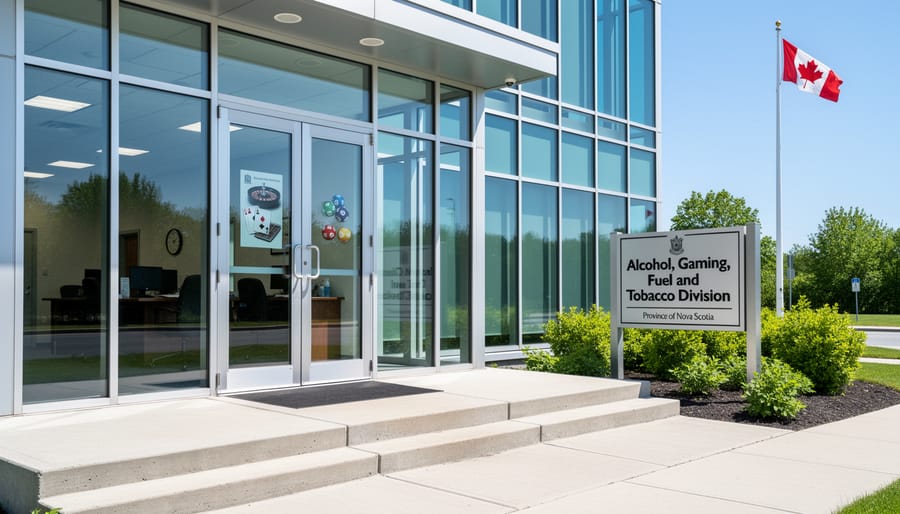
The Role of Atlantic Lottery Corporation
The Atlantic Lottery Corporation serves as the sole legal provider of online gambling services for Nova Scotia residents. Established through provincial legislation, ALC operates on behalf of the four Atlantic provinces and holds the exclusive mandate to offer regulated gambling options to residents across the region.
Through its digital platform, , Nova Scotians can access a variety of online gambling activities including casino games, sports betting, and lottery products. The platform underwent significant expansion in recent years, particularly with the introduction of single-event sports betting following changes to federal law in 2021. This allows residents to place legal wagers on individual sporting events through ALC’s authorized channels.
ALC’s mandate extends beyond simply providing gambling services. The corporation focuses on responsible gambling practices, implementing player protection measures such as deposit limits, self-exclusion programs, and age verification systems. Revenue generated through ALC operations returns directly to provincial governments, supporting public services and community programs throughout Nova Scotia.
For residents seeking legal online gambling options, ALC represents the only provincially sanctioned choice. While offshore gambling websites remain accessible, they operate outside Nova Scotia’s regulatory framework and lack the consumer protections, responsible gambling tools, and local accountability that ALC provides through its licensed platform.
Recent Regulatory Changes
Nova Scotia’s online gambling sector continues to evolve under the oversight of Gaming NS (Nova Scotia Gaming Corporation), which works with its operators, Atlantic Lottery and Great Canadian Entertainment, to ensure the industry remains transparent, accountable and entertaining. As of April 2025, Gaming NS reported that it reaches almost every community in the province with gaming experiences through these partnerships, maintaining the existing regulatory framework established under provincial oversight.
Recent data from 2024-25 shows that 71% of adults in Nova Scotia reported gambling at least once over the past year. The province’s approach focuses heavily on harm reduction, with current figures indicating that 1% of the population is experiencing harms from gambling, while an additional 2.7% are considered at moderate risk. Meanwhile, 4.9% are classified as low-risk gamblers, and 62.4% as no-risk gamblers.
Provincial regulators continue to monitor national trends and international developments. The federal government’s ongoing discussions about modernizing Canada’s gaming laws have prompted local authorities to review current policies, examining how other jurisdictions handle online casino games, sports betting, and consumer protection measures.
For Nova Scotia residents, enhanced verification processes on gaming platforms remain a key focus, aimed at preventing underage gambling and promoting responsible gaming. These measures require more thorough identity confirmation during account registration. Provincial officials have indicated interest in learning from international examples, including gaming landscape changes in other countries that prioritize player protection. Local players should stay informed through official communications from Gaming NS and provincial government announcements regarding any policy adjustments that could affect their online gambling experience.
What’s Legal and What’s Not
Provincially-Approved Platforms
Nova Scotia residents have limited but clear legal options for online gambling. The only provincially-approved platform is Atlantic Lottery Corporation’s website, which offers casino games, sports betting, and lottery products exclusively to residents of Atlantic Canada. Players must be 19 years or older and physically located within Nova Scotia to access these services.
To use the platform, residents need to create an account on the Atlantic Lottery website and verify their identity and location. The system uses geolocation technology to ensure players are within provincial boundaries when placing bets. Funds can be deposited through various payment methods, including credit cards and online banking transfers.
The Nova Scotia Gaming Corporation works with its operators, Atlantic Lottery and Great Canadian Entertainment, to ensure the industry is transparent, accountable and entertaining. Gaming NS reaches almost every community in the province with gaming experiences through Atlantic Lottery and Casino Nova Scotia. Provincial platforms offer several advantages over unregulated alternatives:
- Atlantic Lottery Corporation’s regulated gaming with verified fair play standards
- Casino Nova Scotia offerings backed by provincial oversight
- Consumer protections including deposit limits and self-exclusion tools
- Responsible gambling resources and support services
- Transparent dispute resolution processes through provincial authorities
The provincial government maintains strict oversight of legal online gambling Nova Scotia platforms, ensuring responsible gambling measures are in place. While some residents may encounter offshore gambling sites, these are not licensed or regulated by Nova Scotia authorities. Using provincially-approved platforms ensures consumer protections, fair gaming standards, and that revenues support community programs across the province.
The Grey Area of Offshore Sites
Many Nova Scotia residents wonder about offshore gambling sites that aren’t regulated by the province. These platforms operate outside Canadian jurisdiction, typically licensed in places like Malta, Curacao, or Gibraltar. While accessing these sites isn’t technically illegal for individual users in Nova Scotia, they exist in a legal grey area that comes with significant risks.
The provincial government doesn’t endorse or regulate offshore operators, meaning Nova Scotians who use them forfeit important consumer protections. If disputes arise over winnings, account freezes, or payment issues, there’s limited legal recourse. These platforms aren’t obligated to follow Nova Scotia’s responsible gambling standards, and your personal information may not receive the same privacy protections required of provincial operators.
Financial transactions can also be problematic. Some offshore sites use payment processors that Canadian banks flag as suspicious, potentially complicating withdrawals or leading to frozen accounts. Additionally, winnings from offshore platforms are still taxable income in Canada, though tracking and reporting becomes your responsibility.
Local law enforcement and gaming authorities recommend sticking with provincially regulated options. Gaming NS works with its operators, Atlantic Lottery and Great Canadian Entertainment, to ensure the industry remains transparent and accountable. While the convenience or promotional offers from offshore gambling sites might seem appealing, the lack of accountability and consumer protection creates real risks for Nova Scotia users.
Consumer Protections and Player Safety

Problem Gambling Resources in Nova Scotia
If you or someone you know is experiencing difficulties with gambling, Nova Scotia offers several accessible support services. Recent data shows that while 71% of adults in the province reported gambling at least once in 2024-25, approximately 1% are experiencing harms from their gambling, with an additional 2.7% considered at moderate risk.
Problem gambling resources available in Nova Scotia include:
- Problem Gambling Services through the NS Health Authority offering free, confidential counseling
- 24/7 toll-free helpline at 1-888-347-8888
- In-person counseling at local community health centers with trained addiction specialists
- Self-exclusion programs through Atlantic Lottery that allow voluntary bans from gambling facilities and online platforms
- Online support tools and self-assessment resources through the Gambling Support Network
- Information and assistance for family members affected by problem gambling
Local community health centers throughout the South Shore and across Nova Scotia provide appointments with specialists who understand gambling-related challenges. For immediate support, the Nova Scotia Crisis Line (1-888-429-8167) connects callers with trained professionals who can provide assistance and referrals.
All resources are completely confidential and available at no cost to Nova Scotia residents, ensuring help is accessible when needed most.
Your Rights as a Player
When you play through Atlantic Lottery Corporation’s regulated online platforms, you’re protected by provincial consumer safeguards including dispute resolution mechanisms, responsible gambling tools, and transparent terms. Your winnings are secure, and there are clear channels for addressing concerns. However, using offshore gambling sites leaves you without these protections. Unregulated operators aren’t bound by Nova Scotia consumer laws, meaning disputed payouts, account freezes, or unfair terms have no local recourse. If problems arise, you can’t seek help from provincial regulators or consumer protection agencies. Legal platforms also offer self-exclusion programs and spending limits, helping residents gamble responsibly. While enforcement against individual players using offshore sites remains minimal, choosing licensed options ensures your rights are protected and your gaming experience meets provincial standards for fairness and security.
How Nova Scotia Compares to Other Provinces
Nova Scotia takes a middle-ground approach when comparing its online gambling regulations to other Canadian provinces. While some jurisdictions like Ontario have opened their markets to private operators through comprehensive licensing frameworks, Nova Scotia maintains its traditional model where the Atlantic Lottery Corporation and Great Canadian Entertainment work with Gaming NS to ensure transparency and accountability across the province.
The province aligns closely with its Atlantic Canadian neighbours, New Brunswick, Prince Edward Island, and Newfoundland and Labrador, all operating under ALC’s regional framework. This differs significantly from Ontario’s market liberalization four years ago in 2022, which welcomed dozens of private operators, and British Columbia’s system, where the province-run BCLC provides most gaming services.
Quebec operates similarly to Nova Scotia with government-controlled online gambling through Loto-Québec, while Alberta and Saskatchewan also maintain provincial monopolies. Nova Scotia’s regulatory approach prioritizes consumer protection and responsible gambling measures, with revenues supporting community programs and the provincial budget.
Where Nova Scotia stands out is its collaborative Atlantic regional model, which pools resources and expertise across four provinces. This provides residents access to a wider range of gaming options than smaller provinces could offer independently, while maintaining stricter oversight than fully open markets.
For Nova Scotia residents, this means fewer operator choices compared to Ontario but potentially stronger consumer protections and more predictable regulatory standards. According to Gaming NS data current as of April 2025, 71% of adults in the province reported gambling at least once over the past year, with 62.4% classified as no-risk gamblers. The province’s cautious approach reflects its commitment to balancing entertainment options with community welfare, a priority that resonates with local values across the South Shore and beyond.
For Nova Scotia residents considering online gambling, understanding your options and obligations is essential to making safe, informed decisions. The province’s regulated online casino, operated through Atlantic Lottery Corporation, provides a legal framework designed to protect players while generating revenue for community programs. Remember that while offshore sites remain accessible, they operate outside provincial oversight and consumer protections.
Before placing any bets, take time to review licensing information, understand the house edge on games you’re interested in, and set firm budgets you can afford. Responsible gambling isn’t just about knowing when to stop, it’s about recognizing warning signs early and seeking help when needed. Resources like problem gambling support services are available throughout the province at no cost.
As regulations continue evolving, staying informed about changes to Nova Scotia’s online gambling landscape will help you navigate this market responsibly. Whether you choose to participate or not, understanding these regulations empowers you as a consumer and community member. Always prioritize your financial wellbeing and remember that gambling should remain entertainment, never a financial strategy.