

Coastal Florida homes require a specialized maintenance routine that goes far beyond the standard homeowner checklist. Salt air, intense humidity, hurricane-force winds, and relentless UV exposure accelerate wear on everything from your roof to your HVAC system, making proactive care essential to avoid costly repairs and preserve your property’s value.
The difference between coastal and inland maintenance isn’t subtle. Saltwater corrosion can destroy metal fixtures in months rather than years. Moisture infiltration happens faster and more aggressively. Storm preparation becomes a twice-yearly necessity, not an afterthought. Without the right preventive measures, what would be a minor repair inland becomes a major restoration project near the coast.
This comprehensive checklist covers 12 essential maintenance tasks specific to Florida’s coastal environment, with clear guidance on frequency and execution. We’ve focused on the areas where coastal conditions create the most damage: exterior surfaces exposed to salt spray, moisture-prone systems vulnerable to humidity, structural elements that face wind loading, and the specialized components that keep your home protected during storm season. Each task addresses a specific vulnerability created by coastal living, giving you a practical roadmap to maintain your investment year-round.
Whether you’ve owned your coastal property for decades or just purchased your first beachside home in 2026, understanding these maintenance priorities will help you stay ahead of the accelerated wear that defines Florida’s oceanfront living.
How This Maintenance Checklist Was Chosen
This checklist was compiled using data from Florida-licensed general contractors who specialize in oceanfront properties, insurance adjusters familiar with coastal claim patterns, and structural engineers who assess storm damage along the Gulf and Atlantic coasts. Each task was selected based on three criteria: how frequently the issue causes measurable property damage in coastal zones, whether it addresses problems accelerated specifically by salt air and humidity, and its effectiveness in preventing insurance claims.
The tasks prioritize the most destructive coastal forces: salt corrosion that attacks metal and masonry, moisture intrusion that creates mold and structural decay, and storm vulnerability that leads to catastrophic damage during hurricanes. We also consulted maintenance recommendations from major Florida homeowners insurance carriers, who increasingly require documented upkeep for coastal policies. These twelve items represent the most cost-effective preventive measures, including professional dryer vent cleaning Clearwater services that reduce fire risk in humid environments where lint accumulates faster and dries slower than inland climates.
1. Inspect and Rinse Exterior Surfaces Monthly
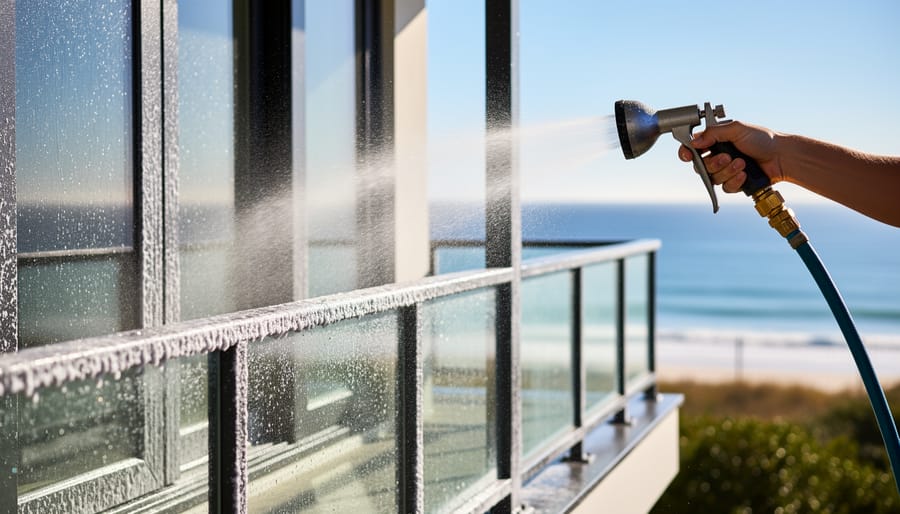
Salt spray carried by ocean breezes settles on every exterior surface of your coastal Florida home, forming a corrosive film that works 24/7 to break down protective finishes. Windows develop cloudy deposits, aluminum railings pit and corrode, painted surfaces blister and peel prematurely, and door hardware seizes. This accelerated deterioration happens silently, often invisible until damage becomes expensive to repair.
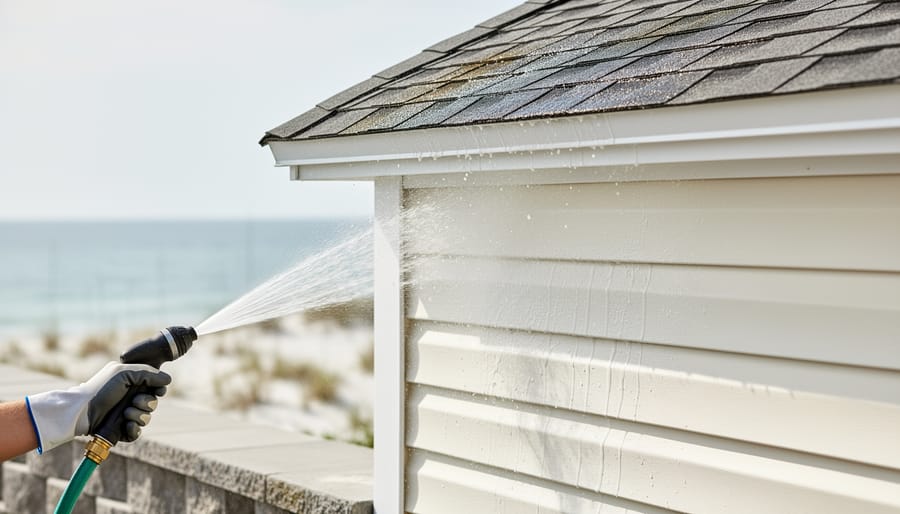
Monthly rinsing with fresh water removes salt crystals before they penetrate finishes and start corrosion. Use a garden hose with moderate pressure to wash down windows, door frames, railings, light fixtures, and siding. Pay special attention to horizontal surfaces where salt accumulates heaviest, like windowsills and deck railings. Work from top to bottom so dissolved salt runs off rather than settling on lower areas.
For two-story homes, an extended hose nozzle handles upper windows and trim without requiring a ladder. The entire process takes 20 to 30 minutes and extends the life of paint, metal finishes, and weather seals by years. Schedule this task after particularly windy days or coastal storms when salt spray travels furthest inland.
2. Check Roof and Flashing for Storm Damage
Florida’s intense sun and frequent storms work together to deteriorate roofing materials faster than in most climates. Wind-driven rain can exploit even minor weaknesses, turning small problems into expensive water damage within a single storm season.
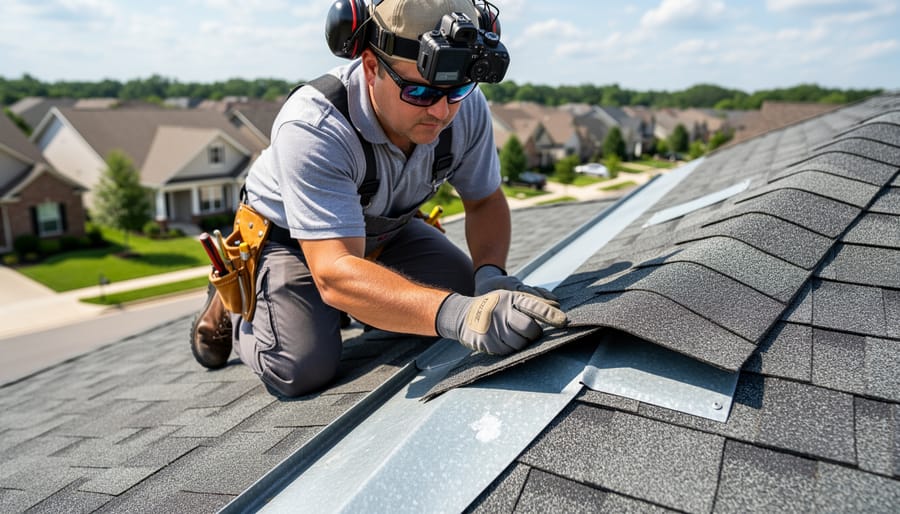
Inspect your roof twice yearly, once before hurricane season in May and again after it ends in November. Look for shingles that are cracked, curling at the edges, or missing entirely. Check all flashing around vents, chimneys, and roof penetrations for gaps, rust, or separation from the roof surface. Wind uplift often damages the edges and corners of roofs first, so pay special attention to these vulnerable areas.
After any named storm passes through your area, schedule a visual inspection even if you saw no obvious damage. Hidden problems like loosened fasteners or lifted shingles can worsen rapidly in Florida’s climate. Small leaks allow moisture into attic spaces, where mold develops quickly in coastal humidity.
If you’re uncomfortable climbing on your roof, hire a licensed contractor for inspections. The cost is minimal compared to replacing water-damaged ceilings and insulation.
3. Clean and Test Gutters and Downspouts
Florida’s humid climate creates perfect conditions for organic debris to accumulate rapidly in gutters. Leaves, pine needles, and seed pods don’t just pile up, they decompose into a thick sludge that blocks water flow within weeks, especially during the rainy season from June through October.
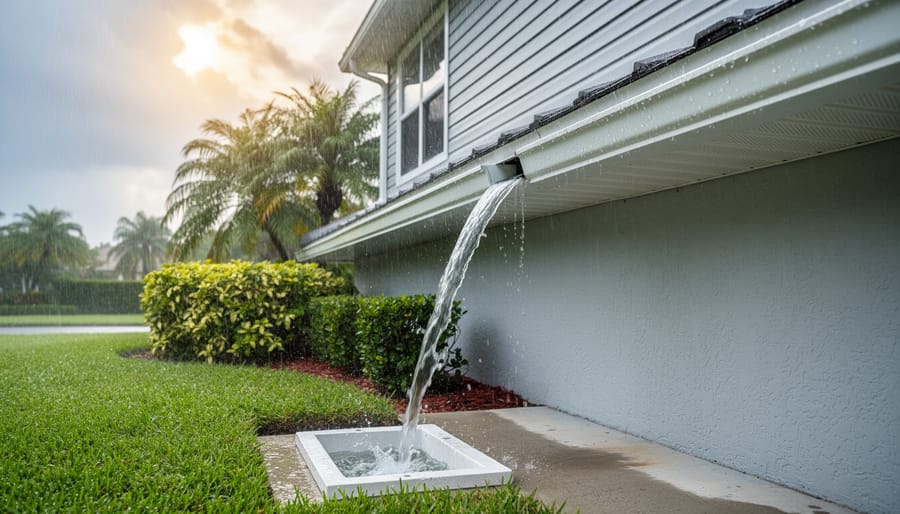
Clear gutters twice a season minimum, with additional checks after major storms. Clogged systems overflow during Florida’s intense downpours, sending water cascading down walls and pooling around foundations. This moisture intrusion damages stucco, encourages mold growth, and can compromise structural integrity.
Coastal homeowners face an additional challenge: salt-laden air accelerates rust and corrosion on metal gutters and fasteners. Inspect seams, brackets, and downspout connections for deterioration. Aluminum gutters develop pitting, while steel components rust through faster than in inland locations.
When cleaning, flush downspouts completely to verify water flows freely to drainage areas away from your home. Consider gutter guards to reduce maintenance frequency, but remember they still require periodic inspection, no system is truly maintenance-free in Florida’s aggressive coastal environment.
4. Maintain Hurricane Shutters and Storm Protection
Hurricane shutters and storm protection systems sit idle for most of the year, but when you need them, they must work flawlessly. Salt air corrodes tracks and hinges while humidity causes mechanisms to stick or seize. Test your shutters at least twice yearly, once before hurricane season and again mid-season, to catch problems before a storm warning arrives.
Run accordion shutters through their full range of motion. Check that panels slide smoothly without binding or jumping off tracks. Spray silicone lubricant on tracks, hinges, and locking mechanisms; avoid petroleum-based products that attract dirt. For roll-down shutters, operate the motor through complete cycles and listen for unusual sounds that signal worn gears or damaged slats.
Inspect all fasteners, bolts, and anchor points for rust or loosening. Coastal winds stress these connections year-round, not just during storms. Replace corroded hardware with stainless steel alternatives. If you have storm panels, verify you have all pieces, know where they’re stored, and can access the installation hardware quickly. Don’t wait until a hurricane watch to discover missing wing nuts or stripped threads.
5. Seal Windows and Doors Against Moisture
Coastal Florida’s relentless humidity and salt-laden air attack window and door seals from every direction. Weatherstripping that lasts five years inland might fail in half that time here, allowing moisture to seep into walls and frames where it triggers rot, mold, and structural damage.
Run your hand along the interior edges of closed windows and exterior doors on a windy day, you’ll feel air movement through failing seals. Visually inspect caulking around window frames, looking for cracks, gaps, or areas where the material has pulled away from the surface. Check weatherstripping on doors for compression damage, tears, or sections that have become brittle and cracked. Salt spray degrades rubber and foam seals faster than standard aging, turning them stiff and ineffective.
Pay special attention to windows and doors facing the ocean, which endure the most direct salt exposure. Remove old, degraded caulk completely before applying fresh marine-grade silicone, layering over failing material doesn’t work. Replace weatherstripping annually on high-exposure doors rather than waiting for obvious failure. These small investments prevent thousands in water damage repairs and keep your cooling costs manageable.
6. Service HVAC Systems Regularly
Florida’s unrelenting heat and humidity force HVAC systems to run nearly year-round, creating extraordinary wear compared to inland or northern climates. Coastal salt air compounds the problem by corroding outdoor condenser units and degrading components faster than typical environments. Change air filters monthly rather than quarterly, dust, pollen, and salt particles clog them rapidly in coastal areas. Dirty filters restrict airflow, reduce efficiency by up to 15 percent, and create conditions where mold spores thrive in ductwork.
Schedule professional servicing twice yearly, ideally before peak cooling season in May and again in October. Technicians should clean evaporator and condenser coils, check refrigerant levels, inspect electrical connections for corrosion, and clear condensate drain lines that frequently clog in humid climates. A blocked drain line causes water backup that promotes mold growth, a serious issue for indoor air quality and health considerations in coastal homes.
Replace corroded outdoor unit components promptly. Salt-resistant coatings on condenser coils extend lifespan, but annual rinsing with fresh water removes damaging salt buildup. Well-maintained systems last 12 to 15 years in coastal Florida versus 8 to 10 years when neglected.
7. Inspect for Mold and Mildew Growth
Florida’s coastal humidity creates perfect conditions for mold and mildew, which thrive in the warm, moisture-rich air that permeates homes year-round. Regular inspections catch growth before it spreads and causes structural damage or health problems.
Check your attic monthly, especially after summer thunderstorms. Look for dark spots on roof decking, musty odors, and moisture stains near vents or chimneys. Coastal attics often trap humid air that condenses on cooler surfaces overnight.
Crawl spaces need attention every few months. Shine a flashlight along floor joists, foundation walls, and around pier supports. Watch for fuzzy patches, discoloration, or that distinctive earthy smell that signals active growth.
Bathrooms and laundry rooms are high-risk zones. Inspect caulking around tubs and showers, check beneath sinks for slow leaks, and look behind washing machines where moisture accumulates. Window frames and sills collect condensation in air-conditioned homes, creating prime mold habitat where cool glass meets humid outdoor air.
Prevention beats cleanup. Run bathroom exhaust fans during showers and for 30 minutes after. Use dehumidifiers in problem areas, keeping indoor humidity below 60%. Improve attic ventilation with ridge vents or gable fans, and ensure crawl space vents aren’t blocked by vegetation or debris.
8. Protect and Treat Metal Hardware and Fixtures
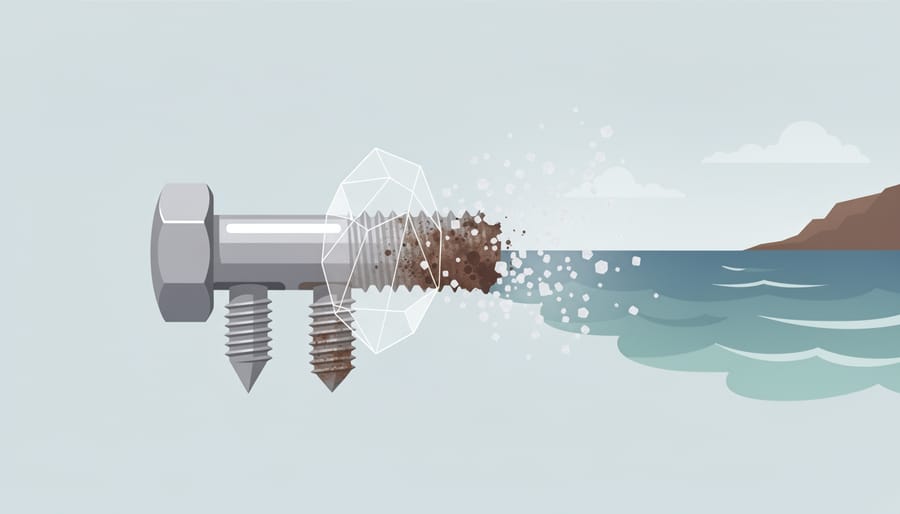
Salt air attacks metal relentlessly in coastal Florida. Door hinges, locksets, outdoor light fixtures, mailbox hardware, and railings face constant exposure to airborne salt particles that penetrate protective finishes and initiate corrosion. Even indoor hardware near frequently opened doors suffers accelerated wear as salt mist infiltrates your home.
Inspect metal fixtures quarterly for surface rust, pitting, or white salt deposits. Clean hardware with fresh water and a soft cloth, then apply a thin layer of marine-grade lubricant or corrosion inhibitor to moving parts. For exposed outdoor fixtures, consider applying clear marine lacquer or protective wax coatings every six months.
Budget for replacing standard builder-grade hardware every three to five years. Corroded locksets compromise security, while weakened fasteners and railings create safety hazards. When replacing hardware, upgrade to stainless steel (grade 316 for maximum corrosion resistance), marine-grade bronze, or powder-coated aluminum designed for saltwater environments. These materials cost more initially but last significantly longer and maintain their appearance despite constant salt exposure.
9. Pressure Wash Decks, Patios, and Driveways
Florida’s coastal environment creates the perfect conditions for rapid buildup on exterior surfaces. Salt spray combines with humidity and organic matter to form stubborn layers of algae, mildew, and mineral deposits that don’t just look unsightly, they actually break down concrete, wood, and protective coatings. Without regular cleaning, these deposits trap moisture against surfaces, accelerating rot in wood decking and causing pitting and spalling in concrete driveways and patios.
Pressure washing these areas twice yearly keeps deterioration at bay, but technique matters in coastal settings. Use a wide-angle nozzle and moderate pressure (1500-2000 PSI for wood, up to 3000 PSI for concrete) to avoid damaging surfaces already stressed by salt exposure. Always work with the grain on wood decks and rinse thoroughly to remove all cleaning solution and loosened salt. Consider collecting the runoff for rainwater harvesting or direct it toward drainage areas away from your foundation.
Time your pressure washing for late spring and fall, avoiding the hottest summer months when rapid drying can leave streaks and residue.
10. Check for Termites and Pest Intrusions
Florida’s subtropical climate creates year-round termite activity, with peak swarms occurring March through May. Coastal areas face even higher risk because salt air and humidity produce the moisture-rich conditions termites need to thrive. A single colony can consume wood rapidly in these ideal conditions, causing structural damage that costs thousands to repair.
Look for telltale signs monthly: mud tubes running up foundation walls, discarded wings near windows and doors, hollow-sounding wood when tapped, and small piles of frass (termite droppings) that resemble sawdust. Soft spots in floors or walls often indicate advanced damage.
Annual professional inspections are essential. Licensed pest control companies use specialized equipment to detect hidden infestations behind walls and in crawl spaces where homeowners can’t easily check. Many Florida insurance policies require proof of regular termite inspections.
Prevention starts with moisture control. Fix leaky faucets and pipes immediately, ensure proper drainage around the foundation, and keep gutters clear. Remove wood-to-soil contact around your home, including firewood piles, old stumps, and untreated landscape timbers. Consider installing termite monitoring stations as an early warning system between professional inspections.
11. Maintain Outdoor Drainage and Grading
Coastal Florida’s combination of intense tropical downpours and naturally high water tables creates persistent drainage challenges that can threaten your foundation. During the rainy season, a single storm can dump several inches of water in hours, overwhelming inadequate drainage systems and pooling against your home’s base.
Walk your property after a heavy rain to identify where water collects or flows toward the foundation. The ground should slope away from your house at least six inches over the first ten feet. If you notice standing water near the foundation or water stains on exterior walls, regrading may be necessary.
Clear debris from drainage swales, French drains, and catch basins at least quarterly. Leaves, sand, and sediment accumulate rapidly in Florida’s environment, blocking water flow and forcing drainage toward your foundation instead of away from it. Check that downspout extensions direct water at least five feet from the house.
Maintaining proper drainage protects your foundation from erosion, prevents moisture intrusion into crawl spaces and basements, and reduces the risk of costly structural damage, making it as essential to coastal home protection as investing in solar energysolar for pools or other green energy improvements for your property.
12. Test and Refresh Emergency Preparedness Supplies
Emergency preparedness supplies degrade faster in Florida’s heat and humidity than in most climates. Before each hurricane season begins in June, inspect and refresh everything you’ll depend on during a storm.
Check stored water for algae growth or container degradation. Replace bottled water that’s been sitting in a hot garage for over a year. Test battery-powered radios, flashlights, and weather alerts, batteries corrode quickly in humid storage conditions. Rotate canned food and medications, noting expiration dates.
Generators require special attention. Run your generator monthly under load for at least 20 minutes to prevent carburetor issues and ensure it starts reliably when needed. Stabilized fuel degrades after about a year in Florida’s heat. Drain old gas and refill with fresh fuel before storm season. Check oil levels, clean spark plugs, and verify that extension cords and transfer switches remain in good condition.
Keep your emergency kit accessible, not buried in a closet or outdoor shed where humidity causes mold and rust. Document what you have and what needs replacement, making this annual review a standard part of your May maintenance routine.
When to Schedule Each Task
Timing your coastal Florida home maintenance correctly ensures you stay ahead of damage while avoiding work during extreme heat or storms. The calendar breaks down naturally around Florida’s June-through-November hurricane season and the distinct wet season from May through October.
Monthly Tasks:
- Rinse exterior surfaces to remove salt buildup
- Change HVAC filters (more frequently during high-pollen spring months)
- Check visible areas for mold or mildew growth
Quarterly Tasks:
- Clean gutters and downspouts (increase to monthly during fall leaf drop)
- Pressure wash decks, patios, and driveways
- Inspect and lubricate hurricane shutter mechanisms
Biannual Tasks:
- Inspect roof and flashing (April before storm season, November after)
- Service HVAC systems professionally (spring and fall)
- Inspect window and door seals for deterioration
Annual Tasks:
- Professional termite and pest inspection (early spring)
- Test emergency preparedness supplies and generator (May, before hurricane season)
- Evaluate outdoor drainage and grading after wet season ends
- Inspect and treat metal hardware for corrosion
Schedule roof inspections, shutter tests, and emergency supply checks in April or early May, before the Atlantic hurricane season begins. Save major projects like deck refinishing or exterior painting for the drier winter months when humidity drops and rain becomes less frequent.
Common Questions About Coastal Home Maintenance
Living in coastal Florida presents unique maintenance challenges, and homeowners often have similar questions about protecting their investment.
How is coastal home maintenance different from inland properties?
Coastal homes face accelerated wear from salt spray, higher humidity, stronger winds, and more intense sun exposure. Metal corrodes faster, paint deteriorates more quickly, and moisture intrusion happens more easily than inland. You’ll need to perform tasks like rinsing exterior surfaces and inspecting seals more frequently than homeowners just 10 miles inland.
Should I handle maintenance myself or hire professionals?
Simple tasks like monthly rinsing, visual inspections, and gutter cleaning are manageable DIY projects. However, roof inspections after storms, HVAC servicing, termite treatments, and structural assessments warrant professional expertise. The harsh coastal environment means small problems escalate quickly, so professional evaluations provide peace of mind and often catch issues before they become expensive.
Does regular maintenance affect my insurance rates?
Yes, demonstrably. Many Florida insurers offer discounts for homes with hurricane shutters, impact-resistant windows, and documented roof maintenance. More importantly, neglecting maintenance can result in claim denials if damage occurs to poorly maintained components. Keep records of inspections, repairs, and preventive work.
What’s the typical annual cost of coastal home maintenance?
Expect to budget 2-4% of your home’s value annually for coastal Florida maintenance, roughly double the national average. This includes professional services, materials, and preventive treatments against salt corrosion and moisture damage.
How often should I have professional inspections?
Schedule roof and structural inspections twice yearly, ideally before and after hurricane season. HVAC servicing should happen twice annually, while termite inspections are essential once per year in Florida’s humid climate.
Does maintenance really protect my property value?
Absolutely. Coastal homes with documented maintenance histories sell faster and command higher prices because buyers recognize reduced risk. Deferred maintenance in the coastal environment compounds quickly, leading to significant value loss.
The investment in consistent maintenance pays dividends through lower repair costs, better insurance terms, and sustained property value in Florida’s demanding coastal climate.
Consistent maintenance is your best defense against the accelerated wear that coastal Florida properties face. Salt air, intense humidity, and tropical storms create challenges that inland homes never encounter, but a proactive approach transforms these threats into manageable routines. Homeowners who stay ahead of corrosion, moisture problems, and storm damage consistently spend less on repairs and maintain higher property values over time.
You don’t need to tackle everything at once. Start with the tasks that prevent the most expensive damage: rinsing salt buildup monthly, checking your roof after storms, and keeping your HVAC system serviced. Build from there as you develop familiarity with your home’s specific vulnerabilities and seasonal patterns. Many coastal homeowners find that breaking the checklist into monthly, quarterly, and annual routines makes maintenance feel less overwhelming and more sustainable.
The unique demands of coastal living require attention, but they also reward diligence. Homes that receive proper care maintain their structural integrity, resist Florida’s harsh elements, and stay insurable in a challenging market. Your investment in regular maintenance protects both your largest financial asset and the comfort of your coastal lifestyle for years to come.